On the roadMünchen
Motorbike rental in Munich for the alpine passes
May–Oct
From a depot on the edge of Munich you can be leaning into the first proper hairpin inside two hours, which is why the bikes go early and come back late. When the passes open, what the mileage cap does to a good day, and the rules on certain alpine roads that catch riders out.
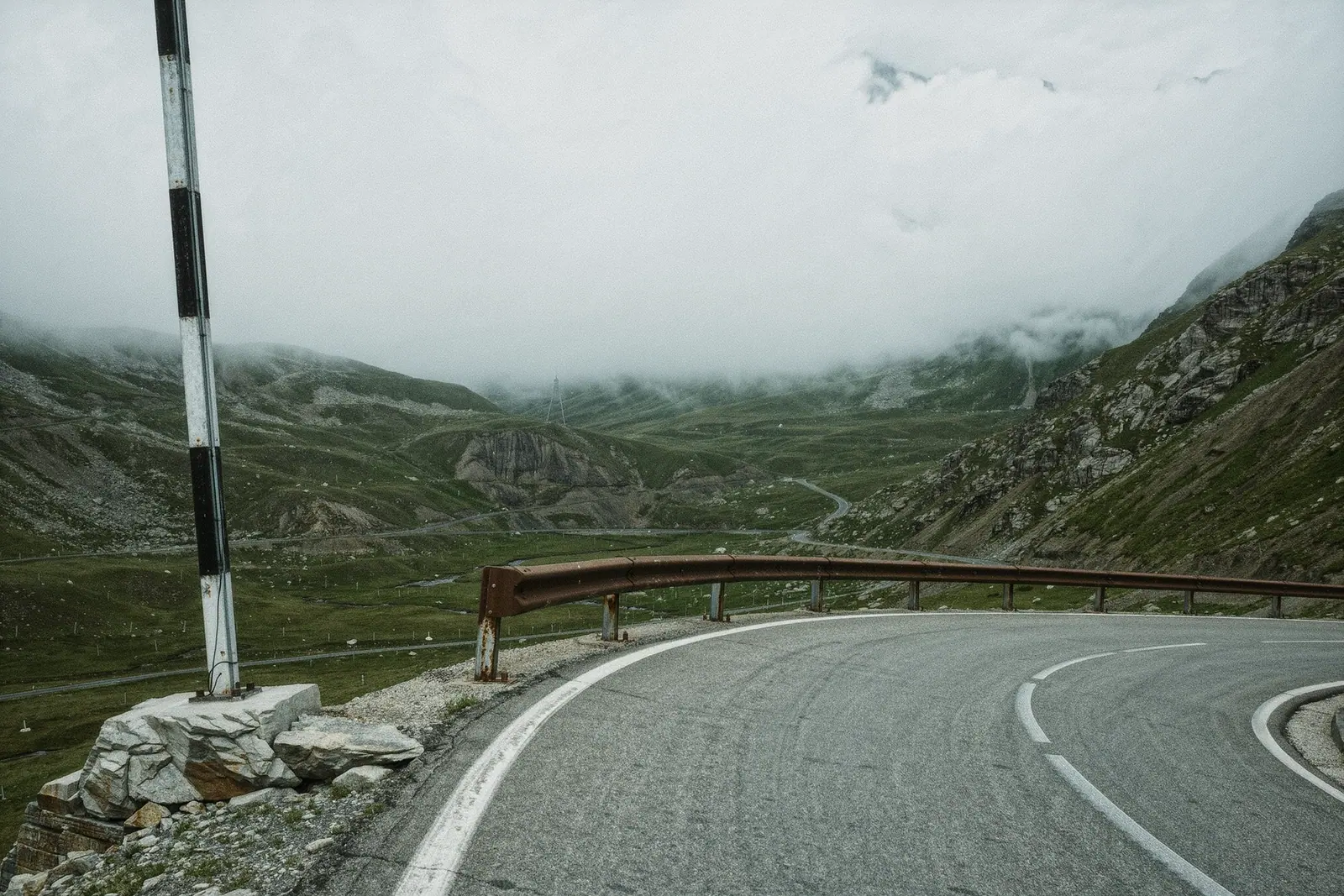
The first proper hairpin is about two hours from a depot on the edge of Munich. Not two hours to the mountains — two hours to the point where the road stops going forwards and starts going upwards, and you have already had a decent breakfast. That proximity is the whole reason there is a motorbike rental market in this city at all, and it is why the good machines are committed from March.
The season is shorter than the calendar suggests
Riding season here is not simply summer. It is a sequence of roads becoming available at different heights.
| Period | What is open | Conditions | Worth booking? |
|---|---|---|---|
| April | Lake roads, low valley routes, the pre-alpine hills | Grit still on the bends, cold mornings | Cheap, limited |
| May | Most middle passes, first high roads late in the month | Best light, meltwater on the surface | Yes, quietest good riding |
| June | Effectively everything | Long days, afternoon storms building | The strongest month |
| July–August | Everything, plus everybody else | Heat in the valleys, heavy weekend traffic | Weekdays only |
| September | Everything, thinning traffic | Cold at altitude, short evenings | Arguably the best fortnight |
| October | Middle passes, high roads closing | First snow possible above 1,500 m | Cheap, plan alternatives |
Two practical notes on that table. Grit left over from winter sits in the apexes on the shaded side of a pass well into spring, and it is invisible until you are on it. And an alpine afternoon in July generates thunderstorms with impressive reliability, which is why experienced riders here start at six and are eating lunch when everyone else is setting off.
What a day actually looks like
A realistic loop from the city, without hurrying:
- Out on the motorway to the first valley — an hour of dull, necessary kilometres. Do it early and do not resent it. The same roads behave very differently in the cold half of the year, as driving south on a winter weekend sets out.
- The first climb, usually one of the lake-to-lake roads or the passes above the Isar valley. This is where the ride starts.
- A middle section over the border, where the road surfaces are frequently better and the traffic is lighter on a weekday.
- Lunch at the top of something, in a car park full of other bikes.
- The return leg on a different valley road, avoiding the motorway until the last thirty kilometres.
That comes to three hundred kilometres and change, plus whatever you add by taking the good detour. Hold that number in mind when you read a rental agreement, because it is the number the mileage cap collides with.
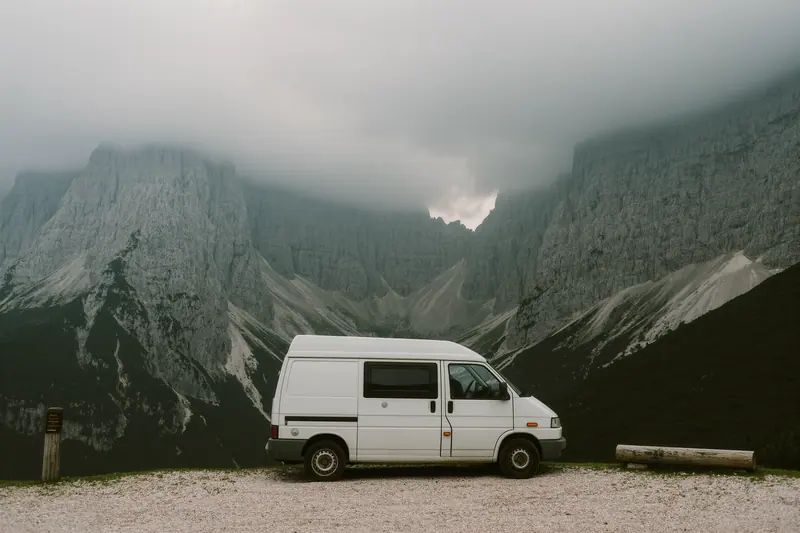
Rules that change, and how to handle them
Three categories of rule affect this ride and none of them should be taken from an article, including this one.
Licence. Category and power entitlements are set nationally and depend on when and where your licence was issued. Rental companies additionally impose their own minimum age and minimum holding period, often stricter than the law. Send a photograph of your licence when you enquire and get written confirmation for the specific machine.
Access and noise. Some alpine roads restrict or exclude motorbikes above a stated noise rating, and several have carried timed or directional orders after accident history. These are regional decisions, they are reviewed between seasons, and they are signed at the road rather than announced in advance. Check each named road on your route with the relevant regional authority before you plan around it.
Tolls and borders. Austria requires a motorway pass and charges separately for certain alpine sections and tunnels, Italy uses distance-based tolls, and several panoramic roads carry their own charge and close overnight. Whether any of this is already on a rental machine varies, and the details for cars apply much the same way to bikes — see one-way rental into Austria or Italy.
The insurance detail specific to bikes
Car rental excess is a number you can reduce. Bike rental excess is a number with an exclusion attached, and the exclusion is usually the thing most likely to happen.
Read what the cover says about a stationary or low-speed drop — a foot down on gravel, a car park topple, a slow-speed slide in a hairpin. On a great many bike agreements that is either excluded from the damage waiver or subject to the full excess, and a dropped bike with a cracked fairing, a bent lever and scored panniers is a four-figure conversation.
Also ask what the kit position is. Helmet, jacket, gloves and boots may be included, offered at a small daily rate, or simply unavailable in your size on the day. A rental helmet fits approximately at best. If you are flying in, bring your own helmet and gloves and hire the rest.

When to book, and what to book
Six to twelve weeks for the summer, and earlier for the popular middle-capacity adventure bikes, which are the machines that suit these roads and therefore the first ones to go. The two expensive local fortnights matter less here than for cars, because the festival crowd is not renting motorbikes, but early October still brings a price step and a shorter riding day.
Choose the bike for the roads rather than for the motorway hour. A tall, mid-capacity machine with an upright riding position and honest brakes is far better on these passes than something heavy and fast, because none of the good sections has a straight long enough to use the power, and all of them have a hairpin at the end of it.
What to check before you book
- Ask for the daily mileage allowance and the charge above it. Three hundred kilometres is an ordinary pass day and many contracts stop below that.
- Confirm what the excess covers and, specifically, whether a low-speed drop is excluded. On bikes it very often is.
- Check the licence requirement for the exact machine. Categories and power limits are set nationally and depend on when your licence was issued.
- Ask what riding kit is included, in which sizes, and whether the helmet is new enough to be worth wearing.
- Look at the tyres before you sign, especially the edges. Rental bikes in this region accumulate pass kilometres fast.
- Ask whether the contract permits Austria and Italy, and whether any toll pass is already on the machine.
- Confirm what happens on a breakdown in a valley with no signal, and put the recovery number in your phone before you leave.
Questions people actually ask
- When do the alpine passes open?
The lower roads within easy reach of Munich are usually usable from April, the middle passes from May, and the highest toll roads generally later still, sometimes not until the end of May or into June. Opening dates depend on the winter and are announced each spring, and several high roads close again at the first serious autumn snow. Check each pass individually before you build a route around it.
- What is the mileage cap problem?
A good day of pass riding out of Munich is three to four hundred kilometres, and many bike rentals include far less than that per day before a per-kilometre charge starts. Over a four-day trip the overage can approach the rental itself. Ask for the cap in writing and buy extra kilometres up front if the company sells them, which is usually much cheaper than the excess rate.
- Are there restrictions on motorbikes on some alpine roads?
Yes, and they vary. Certain roads carry noise-related access rules that exclude machines above a stated rating, some have one-way or timed regulation after accident history, and several toll roads close at night. These orders change from season to season on both sides of the border, so check the specific roads on your route with the regional authority before you set off.
- Is it worth renting a bike here rather than bringing my own?
For anything up to about a week, usually yes. Getting a bike to southern Bavaria from most of Europe costs a long motorway slog or a transporter, and rental fleets here are stocked with exactly the kind of machine that suits pass roads. Over two weeks or more the sums change, and so does the argument for having your own seat and your own tyres.