Two wheelsMünchen
Winter bike hire in Munich and the cleared routes
Nov–Mar
Munich clears a priority cycle network through the winter and leaves the rest to freeze, which decides where you can ride and what you should be riding. Studded tyres, grit, four hours of usable daylight in December, and the reason half the hire shops have nothing to give you.
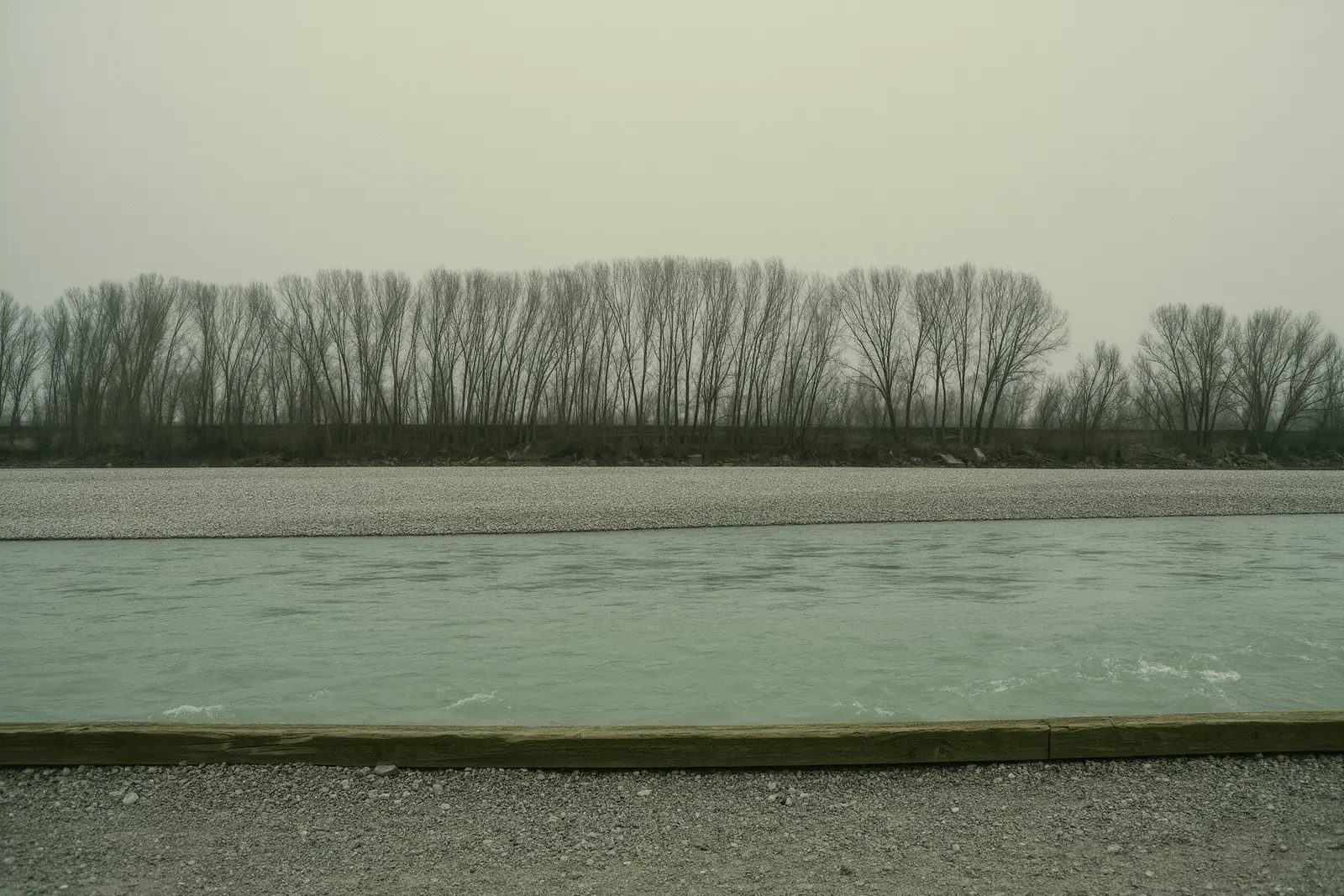
Winter cycling in Munich is not a question of toughness. It is a question of which surface you are on. The city clears and grits a priority network of cycle routes through the cold months, and on those routes an ordinary bike works all winter. Fifty metres off that network, the same bike is on a sheet of ribbed ice that has been there since the first week of December.
Knowing where the line falls is most of the skill.
What gets cleared and what does not
The cleared network follows the main radial and orbital cycle routes: the separated lanes along the bigger roads, the cycle streets in the inner districts, and the surfaced links between them. These are treated as part of the winter service, and they are usable most days.
The paths people actually enjoy riding are largely not on it. The gravel routes through the floodplain along the Isar, the small park connections, the shortcuts across open ground — none of that is cleared. Snow gets compacted by walkers into a rutted surface, thaws, refreezes and holds for weeks.
| Route | Winter surface | Usable? |
|---|---|---|
| Main separated lanes on radial roads | Cleared and gritted, wet | Yes, most days |
| Cycle streets in the inner districts | Cleared, some loose grit | Yes |
| Surfaced canal path south of the city | Occasionally cleared, otherwise packed snow | Usually, with care |
| Gravel path along the river | Not cleared, rutted ice or deep mud | Only with studs |
| Park paths and shortcuts | Not cleared | No |
| Old town cobbles and rails | Cleared but polished, worst in the wet | Avoid |
Grit deserves its own warning. Cycle routes here are frequently gritted rather than salted, which is better for the trees and worse for you. Loose grit on a dry bend behaves like ball bearings, and it collects at exactly the point where you would lean the bike. Corner upright and brake before the bend, not in it.
What to rent
A winter bike here is a boring bike, deliberately.
Hub gears rather than a derailleur, because a derailleur packs with slush and freezes overnight. Full mudguards with a long front flap, because the water on a gritted road is a grey slurry that goes straight up your back. A chain guard. Wide tyres at a lower pressure than you would use in July. Good lights, checked before every ride rather than at handover.
Studded tyres are the one genuine upgrade, and they are worth being honest about. Munich gets a handful of properly icy weeks, not a whole icy season. On those days studs are transformative. On the other eighty days of the winter they are heavy, loud and slow. If you are here for a fortnight in January, ask for them. If you are here in March, do not bother.
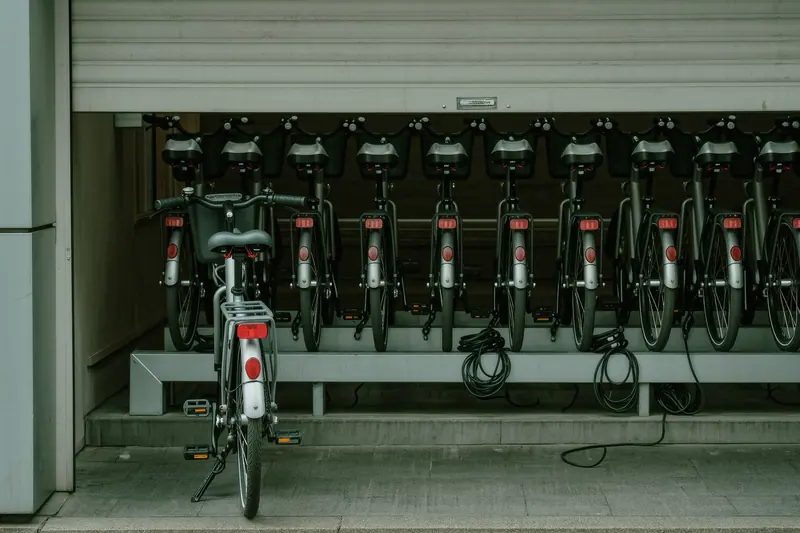
Four hours of good light
The other constraint is daylight. In late December the useful light in Munich runs from around eight in the morning to shortly after four in the afternoon, and the low winter sun sits directly in the eyeline on east–west streets at both ends of that window. Fog in the river valley does the rest.
Three practical consequences:
- Ride the good bit of the day. A midday ride in January is genuinely pleasant; the same route at half past four is dark, cold and shared with traffic that cannot see you.
- Be lit from behind as well as in front. Most winter incidents involve being approached from behind by someone whose windscreen is half demisted.
- Assume no one has seen you at a junction. Winter windscreens, hoods and heated cabins all reduce what a driver notices.
The e-bike question in the cold
Battery chemistry does not enjoy this weather. Range at freezing point is noticeably worse than the same battery in June, and a battery left on a bike in an unheated courtyard overnight will start the morning well down.
Two habits solve it. Take the battery inside at night and refit it before you leave, and charge it at room temperature rather than in the cold. The rental shop will tell you the same thing, and it is worth asking where they expect the battery to live if your accommodation makes that awkward.
If your winter plan is a long ride south along the river, read renting an e-bike for the Isar path for the route detail and then discount the range further. Cold, gravel and headwind together are brutal on a battery.
Availability, which is the real winter problem
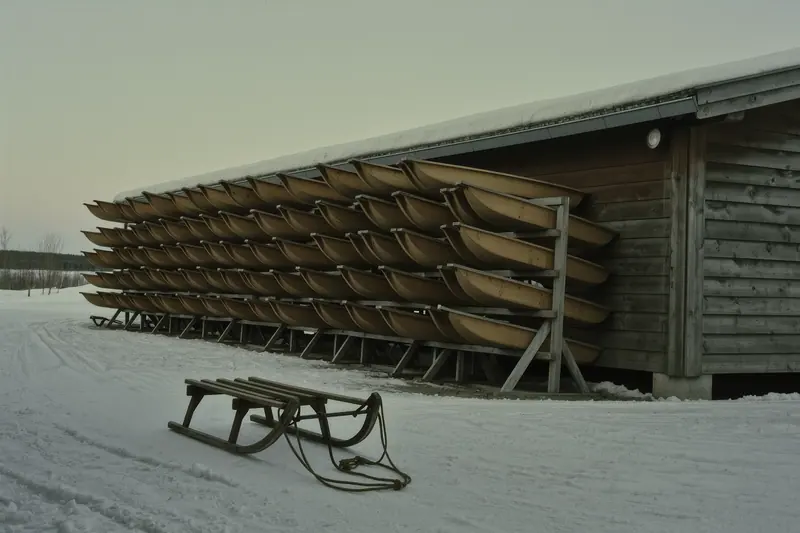
The thing nobody warns visitors about is that a large part of the hire fleet here disappears in November. Shops whose business is summer visitors and riverside day trips put the bikes away, cut their hours, or shut until spring. The shops that serve residents stay open all year, and they are not the ones at the top of a search result.
Ring ahead. Ask directly whether they hire in January, whether they have mudguarded bikes rather than summer hybrids, and whether they can fit studs. Then ask about the return, because a shop that closes at five in December means your last ride ends in the dark or ends early.
Sharing systems keep running, but nothing in those fleets is equipped for ice, and a shared bike on a cleared route in a wet February is about as much fun as it sounds. The comparison between the two in ordinary conditions is set out in shop bike hire or the sharing apps; in winter the shop wins by a wider margin than at any other time of year.
The best single day of the Munich cycling year is a cold, clear, windless morning in February on the cleared route beside the river, with the water steaming and the Alps visible from the bridges. It happens perhaps five times a season. Keep the bike for the week and you will catch one.
What to check before you book
- Ask whether the shop actually hires through the winter. Many put the fleet away in November and reopen in March.
- Ask for studded tyres specifically. A winter tyre and a studded tyre are different things and only one of them holds on ice.
- Check both lights before every ride, not just at handover. Dark starts at four in the afternoon in December.
- Confirm full mudguards and a chain guard. Grit and wet salt destroy clothing faster than they destroy bikes.
- On an e-bike, ask where you are expected to keep the battery overnight. Cold storage costs you a large part of the range.
- Ask what the shop wants you to do about a frozen lock, and whether they can supply a de-icer.
Questions people actually ask
- Is Munich rideable in winter?
Yes, for most of it. The city clears and grits a priority network of cycle routes through the winter, and on those routes ordinary riding continues all season. The unmade paths along the river are a different matter: they are not cleared, they freeze into wheel ruts and they stay that way for weeks.
- Are studded tyres worth renting?
For a stay of a week or two, probably not. For a whole winter, yes. There are perhaps a few dozen genuinely icy days in a Munich winter, and on those days studs are the difference between riding and walking, while on the other days they are noisy and slow. If the shop offers a bike with studs at a small premium, take it in January and skip it in March.
- What happens to the Isar paths in winter?
They stop being fast. The gravel path along the river is not part of the cleared network, so it holds snow, then freezes into hard ruts, then thaws into deep mud, often in the same week. The surfaced canal path on the other side is a much better winter route, and the sections closest to the city are usually the most rideable.
- Can I still hire a bike in January?
It takes more effort. A good share of the rental fleet in this city is seasonal, and shops that live on summer visitors reduce their hours or close entirely between November and March. The shops that serve residents stay open. Ring ahead rather than turning up, and expect a smaller choice of frame sizes.